



Key Points
- Helps students set achievable goals.
- Enhances decision-making and problem-solving skills.
- Builds self-confidence and resilience.
- Provides emotional support for better mental health.
Education guidance is the cornerstone of academic and personal success. It empowers individuals to make informed choices, whether in studies, career paths, or personal development. By integrating guidance and counseling in education, students are equipped with tools to navigate challenges and achieve their goals.
Importance of Education Guidance:
Education and guidance is more than just academic advice. It focuses on the holistic development of students. Whether you’re a high school student choosing your next steps or a professional considering further education, guidance plays a critical role.
Why Guidance and Counseling in Education Matters
Emotional Support for Students?
Guidance provides a safe space to address personal challenges. Emotional support is vital for coping with stress, peer pressure, and academic demands.
Academic Growth:
Students can identify their strengths and weaknesses, ensuring they choose courses and careers that align with their skills and interests.
Career Planning:
Career counseling helps students explore options, set realistic goals, and plan for future success.
Study Abroad Guidance:
For students aspiring to study overseas, Education and guidance is indispensable.
Choosing the Right University:
An advisor helps you match your academic profile and preferences to the best universities.
Application Process:
Guidance simplifies complex application processes, from filling out forms to writing impactful statements of purpose.
Cultural Adaptation:
Preparing students for cultural differences ensures they thrive in a new environment.
Health Education Counseling:
Education and guidance isn’t limited to academics. It also includes health education counseling to promote mental and physical well-being.
Mental Health Awareness:
Students learn to recognize signs of stress and anxiety and seek help when needed.
Building Healthy Habits:
Counselors guide students toward balanced lifestyles, including proper nutrition, exercise, and rest.
Tip: Set Realistic Goals: Break down long-term aspirations into manageable steps to track progress.
How Education Guidance Works
Role of Counselors and Mentors:
Education and guidance often involves a partnership between students, counselors, and mentors. Counselors identify challenges and opportunities, while mentors provide hands-on advice based on personal experience.
Structured Programs:
Schools and universities implement structured guidance programs tailored to students’ academic levels and needs.
Tips for Benefiting from Education and guidance:
Set Realistic Goals: Understand your strengths and limitations before setting objectives.
Communicate Openly: Be honest about your concerns and aspirations.
Take Action: Follow the advice you receive and seek feedback regularly.
Challenges in Education and guidance:
While education guidance has immense benefits, it’s not without challenges.
Lack of Awareness:
Many students and parents underestimate its importance, missing out on valuable resources.
Limited Access to Professionals:
In remote or underserved areas, access to qualified counselors can be challenging.
Resistance to Change
Students may resist guidance due to fear of stepping out of their comfort zones.
Benefits of Education Guidance
Improved Academic Performance: Tailored strategies help students overcome academic hurdles.
Enhanced Career Opportunities:
Students align their education with market needs, increasing employability.
Better Mental Health:
Guidance programs reduce stress and anxiety by providing emotional support.
Online Education Guidance:
Virtual Counseling Platforms:
Resources at Your Fingertips:
Online tools offer test preparation, application guidance, and career advice in one place.
Cost-Effective Solutions:
Virtual counseling often comes at a fraction of the cost of traditional methods.
Role of Parents and Teachers in Education and guidance

Parents:
Parents play a crucial role in Education and guidance by:
- Encouraging open communication.
- Providing emotional and financial support.
- Helping students explore options.
Teachers:
Teachers act as mentors by:
- Identifying students’ strengths and weaknesses.
- Recommending suitable academic paths.
- Offering motivational support.
Innovations in Education Guidance:
Emerging technologies are transforming how guidance is delivered.
AI-Powered Tools:
Artificial intelligence provides personalized advice based on student data.
Virtual Reality:
VR simulations help students explore careers and academic programs in immersive environments.
Data Analytics:
Counselors use analytics to predict academic success and recommend tailored interventions.
Case Studies:
High School Success:
A high school implemented a career counseling program, resulting in a 20% increase in college admissions within two years.
University Innovation:
A university introduced an AI-based guidance system, improving student satisfaction scores by 30%.
Tip: Express concerns or needs to your counselor to receive personalized
Education and guidance for Different Age Groups:
Young Learners:
Focus on developing curiosity and foundational skills.
Teenagers:
Guidance is centered on academic choices, peer relationships, and career exploration.
Adults:
Education guidance for adults includes upskilling, career changes, and personal growth.
Enhancing Education and guidance:
Education and guidance isn’t just a one-time intervention; it’s a continuous process that adapts to the needs of individuals. By focusing on practical applications, we can see how guidance benefits students, educators, and institutions.
Integrating Guidance into Everyday Learning:
Customized Learning Plans:
Counselors work with students to create tailored learning plans that suit their strengths, weaknesses, and future goals. For instance, a student excelling in science might be guided toward specialized courses or extracurricular activities like science fairs and internships.
Daily Progress Tracking:
Monitoring progress helps students stay on track. Counselors or teachers can review academic performance and provide suggestions for improvement during regular check-ins.
Building Emotional Resilience Through Guidance:
One critical yet often overlooked aspect of Education and guidance is its ability to nurture emotional intelligence. By addressing stress, anxiety, and other emotional challenges, guidance programs ensure students maintain a healthy outlook.
Stress Management Workshops:
Schools can organize sessions that teach stress management techniques like mindfulness, meditation, and effective time management.
Peer Support Groups:
Guidance programs can facilitate peer groups where students share experiences and support one another.
Tip : Regular reviews ensure you’re on the right path and allow adjustments when necessary.
Education Guidance and Career Readiness:
Career readiness is a key outcome of effective Education and guidance. Students who receive proper direction are more likely to transition smoothly from academia to the workplace.
Internship Opportunities:
Guidance counselors often connect students with internships that provide real-world experience, boosting confidence and enhancing resumes.
Skill Development Programs:
Workshops on communication, teamwork, and problem-solving prepare students for professional environments.
The Role of Community in Education and guidance
Community Partnerships:
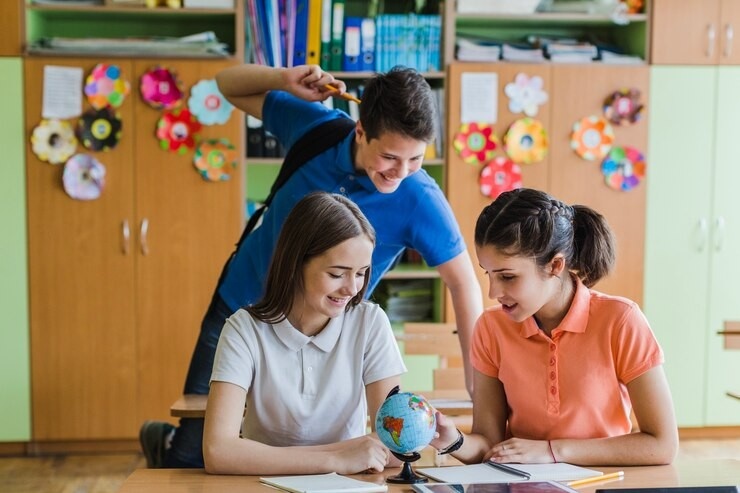
Schools and universities can partner with local businesses, NGOs, and industry experts to expand guidance programs. These partnerships provide students with mentorship opportunities and access to resources beyond the classroom.
Parent-Teacher Associations:
Encouraging active participation from parents and teachers creates a unified support system for students. Collaborative discussions can identify potential issues early and address them effectively.
Global Perspective Guidance in Different Education Systems:
Education and guidance varies across cultures and systems. Some countries integrate it into their curriculum, while others treat it as an optional service. By learning from global best practices, we can enhance guidance systems everywhere.
Case Study:
Finland’s education system emphasizes personalized guidance, ensuring every student has a mentor who assists them academically and emotionally.
Case Study:
In the U.S., school counselors work closely with students to prepare them for college and career paths, offering specialized support based on individual needs.
Future Trends in Education Guidance:
With rapid technological advancements, the future of Education and guidance looks promising. Emerging trends are reshaping how guidance is delivered and accessed.
Virtual Reality in Career Exploration:
Imagine stepping into a virtual operating room to experience life as a surgeon or visiting a tech lab to explore engineering careers. VR is making this possible.
AI-Powered Personalization:
Artificial intelligence can analyze a student’s academic history, interests, and skills to recommend personalized learning paths and career options.
Global Online Mentorship Programs:
Platforms that connect students with global mentors are breaking barriers and fostering cross-cultural learning and collaboration.
FAQs:
What is education guidance?
Education guidance helps students make informed decisions about their studies, careers, and overall development.
Why is guidance and counseling important in education?
It provides emotional support, improves academic performance, and prepares students for career success.
How can study abroad guidance benefit students?
It simplifies university selection, application processes, and cultural adaptation for a smoother international experience.
What role does health education counseling play in Education and guidance?
It promotes mental and physical well-being, helping students manage stress and maintain a balanced lifestyle.
How can parents support Education and guidance?
Parents can encourage open dialogue, provide emotional support, and collaborate with counselors for the best outcomes.
Conclusion
Education guidance is a powerful tool for personal and academic growth. From study abroad guidance to health education counseling, it opens doors to new opportunities and helps students overcome challenges. Whether you’re a student, parent, or teacher, embracing Education and guidance can make all the difference in achieving success.
References:
https://www.cbinsights.com/company/mcgraw-hill-education/alternatives-competitors
https://www.cbinsights.com/company/elevated-education/alternatives-competitors
https://www.cbinsights.com/company/crimson-education/alternatives-competitors
https://www.g2.com/products/powerschool-naviance/competitors/alternatives
https://www.comparably.com/companies/guild-2731/competitors